3D WebGL unavailable. Showing a genuine model render instead.
OPTICAL METROLOGY / STRONTIUM LATTICE CLOCK
LOADING 3D ASSEMBLY
Explore the STRATUM clock
Rotate, zoom and select a component to reveal its role in modern time metrology.
DRAG ROTATE · WHEEL ZOOM · RIGHT-DRAG PAN CLICK PART TO SELECT · DOUBLE-CLICK TO FOCUS
The science
A split-system air conditioner looks deceptively simple. A long white cabinet hangs high on a wall, receives instructions from a remote control, and quietly delivers cool air. Under that plastic shell is an engineered network of copper tubing, aluminium heat-transfer fins, a long rotating impeller, drive electronics, drainage channels, insulation, temperature sensors, and moveable airflow vanes. The indoor unit must move a surprising amount of air while keeping the noise low, safely separating mains electricity from condensate water, and maintaining the correct balance between comfort and efficiency.
Our AERIS XI-12 interactive cutaway exposes these systems as 611 separately identified 3D meshes. You can rotate the model, open its housing, isolate subsystems, inspect material choices, explode the assembly, and watch an educational control simulation operate its blower and louvers. The original object is a generalized engineering representation, not a proprietary manufacturer's design or a construction specification. The most important lesson is how the different subsystems work together rather than how to repair a particular product.
The word split refers to an indoor section and an outdoor section connected by insulated refrigerant pipes and electrical interconnects. The outdoor unit normally contains the compressor and outdoor heat exchanger. The indoor unit has the room-side heat exchanger, which acts as an evaporator in cooling mode, and a carefully shaped blower that moves room air across it. Some systems can reverse their cycle and provide heat, so the same indoor exchanger may become a condenser during heating. Refrigerant valve and metering arrangements depend on the specific system; the expansion device is not automatically located inside every indoor unit.
This is an educational, illustrative model of a fictional product: part names, masses, materials and operating figures are simplified and are not a manufacturer's drawing, a design basis or a safety/acceptance document.
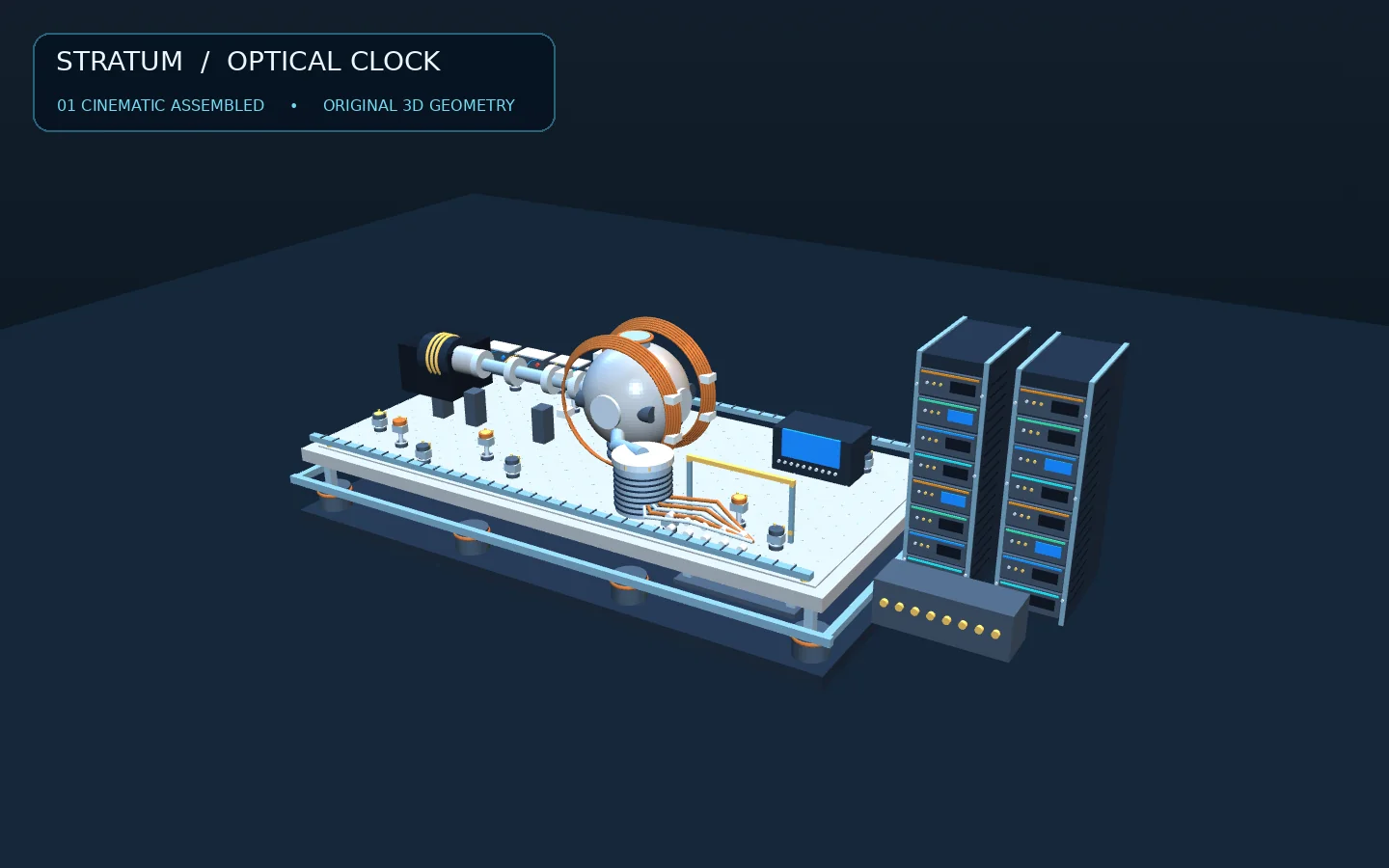 3D WebGL unavailable. Showing a genuine model render instead.